Enterprise Data Governance Framework & Best Practices
What is Enterprise Data Governance?
Enterprise data governance refers to the policies, procedures, and standards that organizations implement to ensure the quality, security, and compliance of their data. It involves managing data across its lifecycle, establishing rules for data access, and aligning data practices with regulatory requirements. Effective data governance ensures that data is handled responsibly, supporting business decisions and reducing risks related to data security and compliance.
Challenges in Enterprise Data Governance
Data governance can present several challenges that organizations must navigate to maintain secure and compliant data management. Here’s a table outlining some common challenges:
| Challenge |
Impact |
Solution |
| Data Silos |
Inconsistent data management across departments |
Implement cross-department collaboration tools and centralized governance practices |
| Lack of Clear Ownership |
Ambiguity in accountability for data stewardship |
Define roles and assign data ownership within the governance framework |
| Compliance Complexity |
Navigating industry regulations and legal requirements |
Stay updated on regulatory changes and leverage automated data compliance tools |
| Data Security Risks |
Increased vulnerability to data breaches and unauthorized access |
Implement robust data access controls, encryption, and real-time monitoring |
| Data Quality Management |
Poor data quality leading to inaccurate insights |
Implement data validation rules and data cleaning processes to ensure quality |
| Scalability |
Difficulty in managing growing volumes of data |
Use cloud solutions and automation to scale data governance practices effectively |
Enterprise Data Governance Frameworks
A strong data governance framework is essential for setting the foundation for data management within your organization. This framework should include clear policies, structured processes, and designated roles that align with your business goals and compliance needs. Begin by assessing your organization’s data needs, identifying key stakeholders, and establishing data ownership across departments.
Key Components of an Effective Data Governance Strategy
An effective strategy should focus on the following key components:
- Data Stewardship: Assigning responsibility to ensure data is properly managed and maintained.
- Data Policies: Creating clear guidelines for data usage, access, and security.
- Compliance: Ensuring all data practices align with industry regulations and internal standards.
- Data Quality Management: Regularly reviewing and ensuring data accuracy, consistency, and completeness.
- Technology Integration: Leveraging tools that support data governance, such as secure file-sharing solutions and data management platforms.
How to Ensure Compliance with Industry-Specific Data Governance Frameworks
Each industry comes with its own set of regulations for managing data. Whether it’s healthcare (HIPAA), finance (GDPR, CCPA), or government (FISMA), aligning your data governance framework with the relevant regulatory standards is crucial. Utilize automated compliance solutions that help ensure your data governance practices remain up to date and consistent with regulatory changes.
A key aspect to consider in industries like healthcare is ensuring that patient data remains protected through the entire lifecycle, not just at rest. For example, solutions that provide encryption from data entry to data sharing across platforms can ensure HIPAA compliance.
Managing Data Across Multiple Departments for Consistency and Control
Data silos are one of the most common issues in organizations. To maintain consistency and control, it’s important to standardize data practices across departments. Implement centralized data storage solutions and provide tools that allow different teams to collaborate and adhere to the same governance policies.
Cross-departmental collaboration tools that integrate data governance principles can also help streamline communication between teams, ensuring consistent data practices and reducing redundancies. Using enterprise-level software that offers real-time access to centralized data can eliminate bottlenecks caused by outdated data.
Integrating Cloud Solutions into Your Data Governance Framework
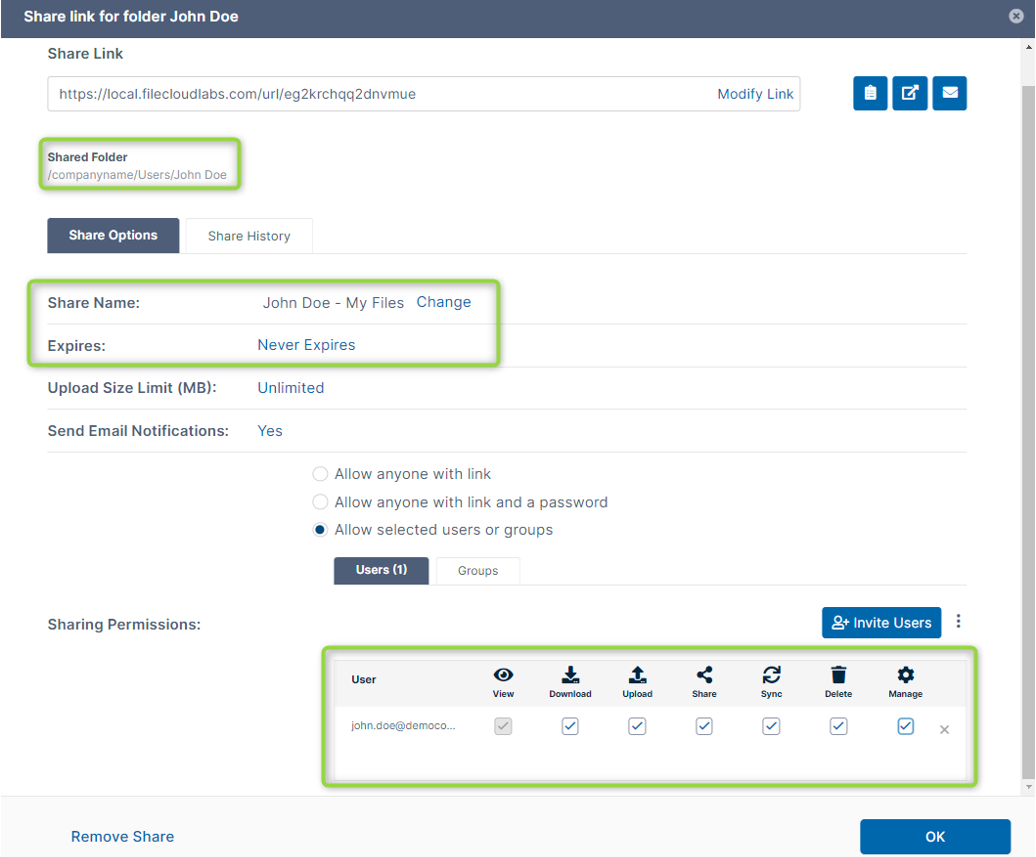
Cloud solutions can help organizations scale their data governance practices and simplify data management. Integrating cloud-based platforms ensures that your governance policies are applied consistently, no matter where the data resides. Cloud solutions also offer benefits such as better data accessibility, increased security features, and compliance tools tailored to specific regulations.
One added benefit of cloud-based data governance tools is their ability to scale seamlessly. As businesses grow, the volume of data increases, making manual data management impractical. Cloud solutions that integrate governance into their infrastructure can automatically scale to meet increased storage and processing demands.
Enterprise Data Governance Best Practices
1. Establishing Clear Data Access Controls for Better Security
Data security starts with clear access controls. Define who can access specific types of data, under what circumstances, and for what purpose. Implement multi-factor authentication (MFA), role-based access control (RBAC), and encryption to further secure sensitive data and protect against unauthorized access.
Additionally, implementing contextual access control that adapts based on the user’s location, device, and behavior can further enhance security. This can help identify potentially risky access attempts and prevent data breaches.
2. Streamlining Data Auditing and Reporting to Meet Compliance
Streamlining data auditing and reporting processes is essential for staying compliant with data regulations. Automate audit trails to capture all user activity related to data access and usage. This not only ensures that your organization can meet compliance standards but also provides visibility for improving data governance practices.
Automated reporting tools that provide a summary of activity based on predefined rules can reduce the manual burden of auditing. These tools can offer real-time insights into compliance status and help identify any potential gaps in governance that need attention.
3. Automating Data Retention and Erasure Policies for Regulatory Compliance
Data retention policies are critical for compliance with regulations like GDPR. Automating these policies ensures that data is only retained for as long as necessary and erased when it’s no longer needed. This minimizes the risk of keeping outdated or non-compliant data and supports your organization’s overall compliance efforts.
Data Retention Policy: 10 Best Practices
Data Retention Policy: 10 Best Practices In today’s data-driven world, organizations are generating and collecting information at an unprecedented rate. Effectively managing this data is not just an IT concern but a critical business imperative....
Many organizations now use automated data lifecycle management (DLM) tools to enforce these retention policies. These tools can automatically classify data and apply appropriate retention or deletion actions based on the data’s type, sensitivity, and regulatory requirements.
4. Implementing Granular Permissions to Safeguard Sensitive Data
Granular permissions allow for more precise control over who can access specific data within the organization. By applying different levels of access, from view-only to full editing privileges, you can safeguard sensitive data and limit exposure to only authorized individuals.
Granular permissions can be further enhanced by combining them with data classification techniques. This ensures that highly sensitive data is only accessible to a select few, adding an additional layer of protection to mission-critical information.
5. Training Teams to Adhere to Data Governance Best Practices
Training is vital for ensuring that your team understands and follows data governance policies. Provide regular training on data security, compliance requirements, and best practices for data management. Empower employees with the knowledge they need to help protect your organization’s data and adhere to governance standards.
Consider adopting role-based training programs that focus on the specific data governance needs of each department. This approach ensures that employees understand how governance impacts their specific functions and provides them with actionable knowledge.
Discover How FileCloud Can Strengthen Your Enterprise Data Governance Strategy Today
By integrating comprehensive data governance features, robust security measures, and compliance tools, FileCloud provides the ideal solution to support your data management strategy. Explore how FileCloud can streamline your data governance framework and help your organization stay compliant and secure.
TL;DR: Enterprise Data Governance
Enterprise data governance ensures quality, security, and compliance of data across organizations. To establish a strong governance framework, focus on key components like data policies, compliance, and scalable technology integration.
Best practices include clear access controls, automated retention policies, and ongoing team training. Implementing these practices will help safeguard data, improve compliance, and reduce risks.

Enterprise Data Governance FAQs
What are enterprise data governance tools?
Enterprise data governance tools are software solutions that help organizations manage data quality, security, access, and compliance across systems. These tools provide centralized control, automation, and visibility to ensure data is handled consistently and securely.
What are the best data governance tools for enterprise use?
The best data governance tools for enterprise environments offer scalability, automation, and strong compliance features. Organizations should look for solutions that support data classification, access controls, auditing, and integration with existing infrastructure.
What are the top Egnyte competitors for data governance comparison?
When conducting an Egnyte competitor data governance comparison, organizations often evaluate platforms like FileCloud. The key differences typically come down to deployment flexibility, security controls, compliance features, and the strength of built-in data governance capabilities.

Product Marketing Manager